Big Artworks
Early creative phase
Exhibitions
Media
Press 2014


Erasmus's - Utopia Contrast
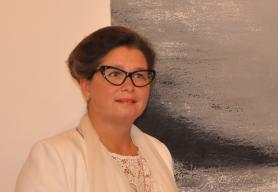
Erasmus's Utopia Contrast Art Galerie and the Exhition Lumière Australe Asien Lights
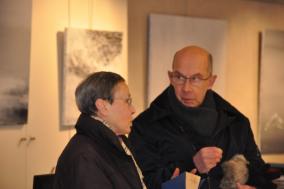
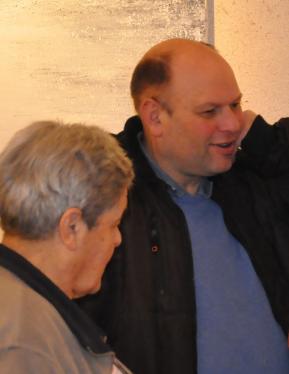
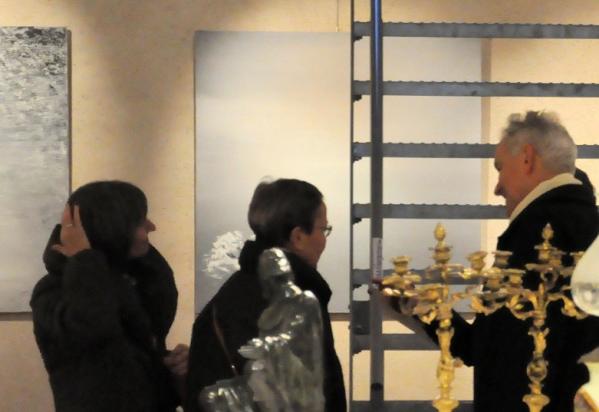
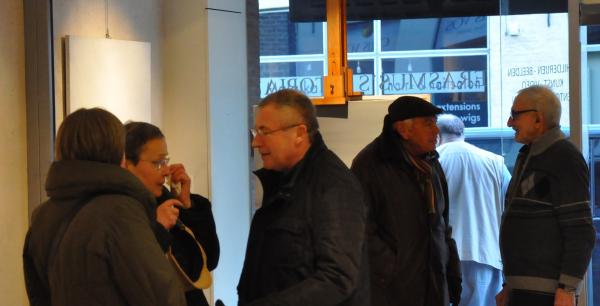
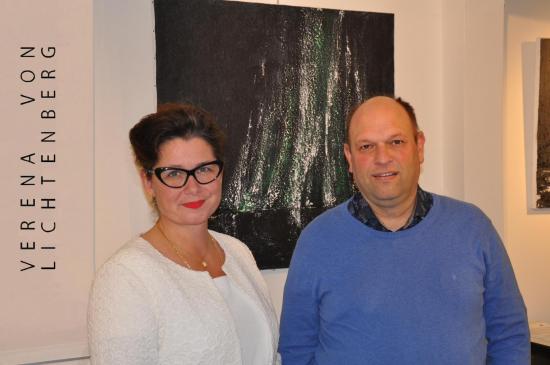
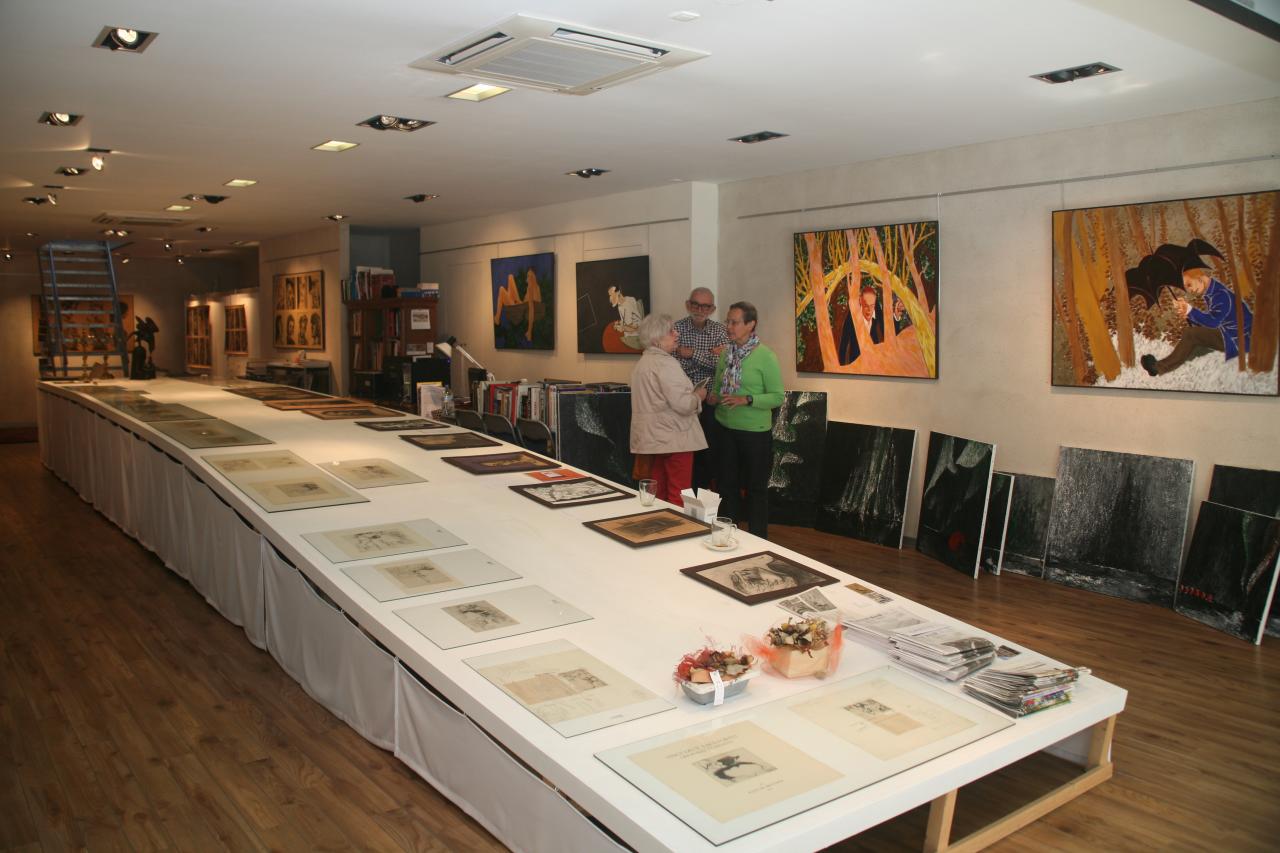
The painter Verena von Lichtenberg from Paris, and Suzanna Dusautoir and Bob Vanantwerpen .....
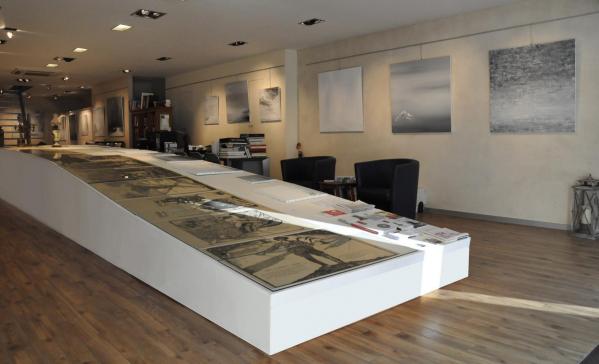
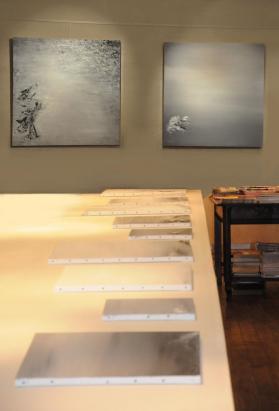
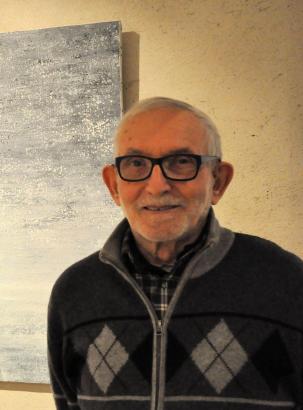
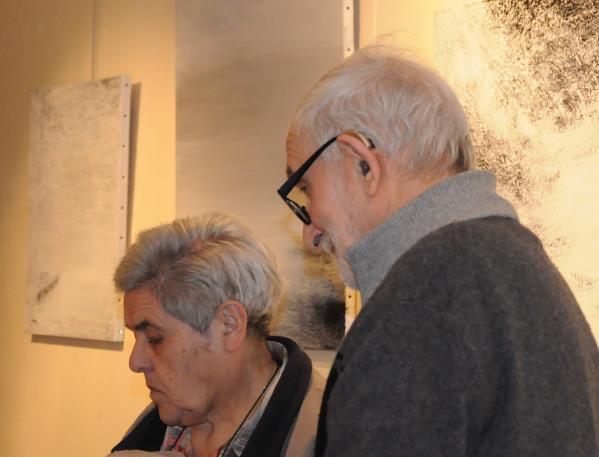
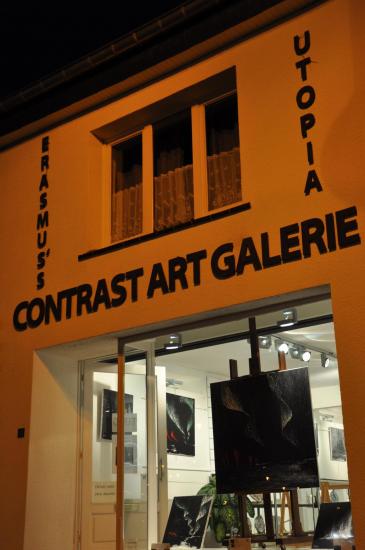
Bob Vanantwerpen and his galeries d'art '' Erasmus's Utopia Contrast Art Galerie '' in Brugge
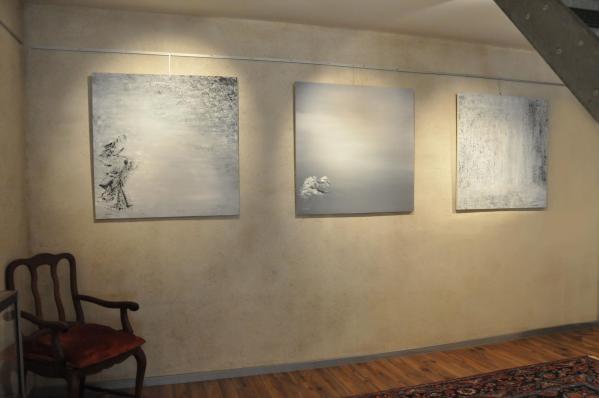
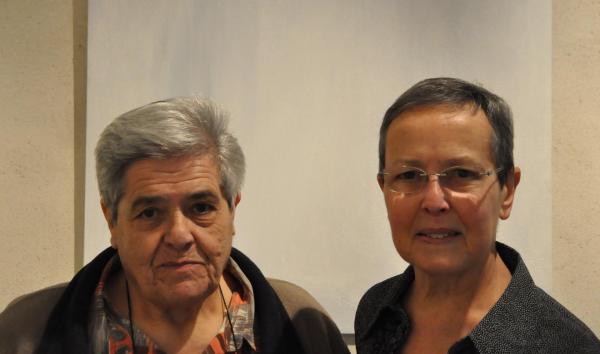
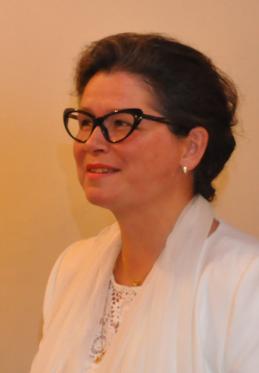
Mme Hongerloot and Suzanna Dusautoir
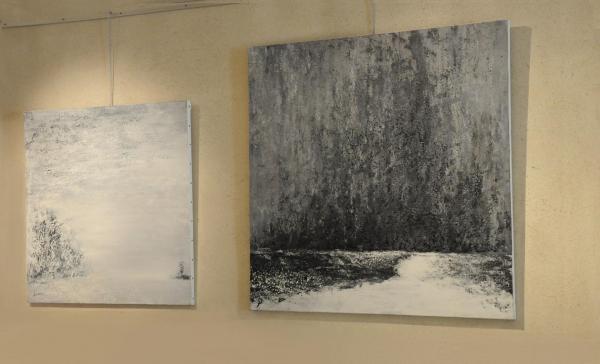
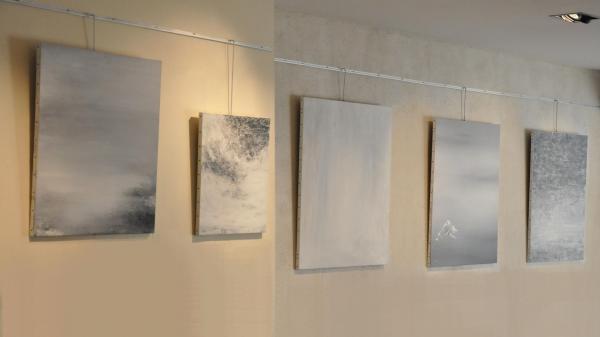
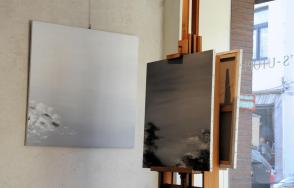
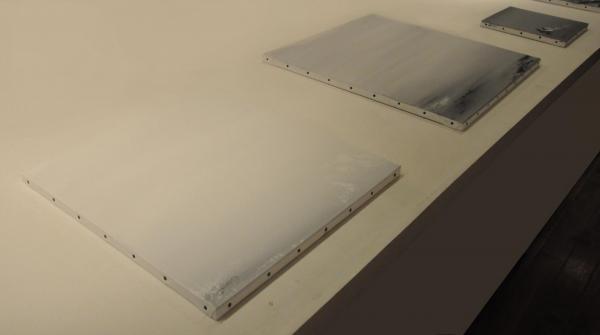
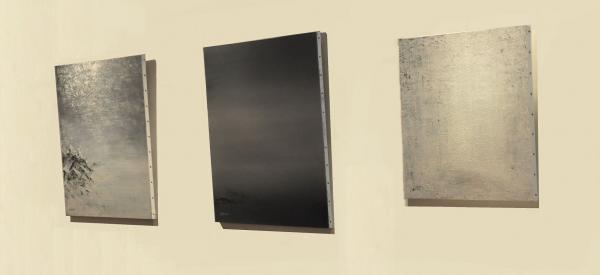
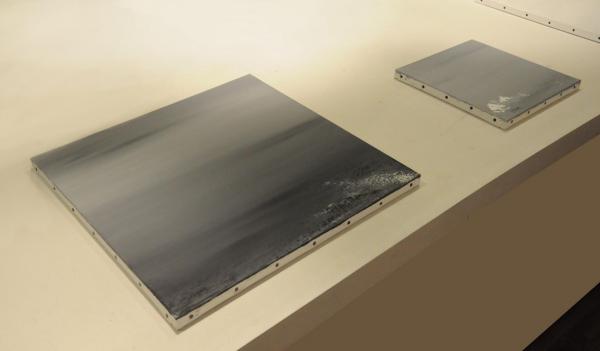
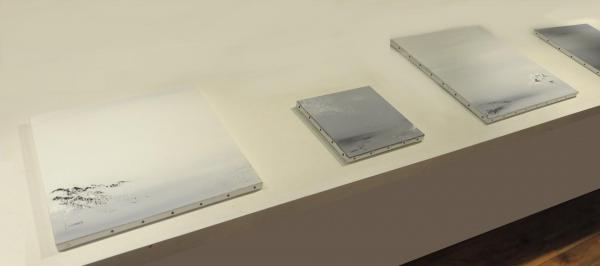
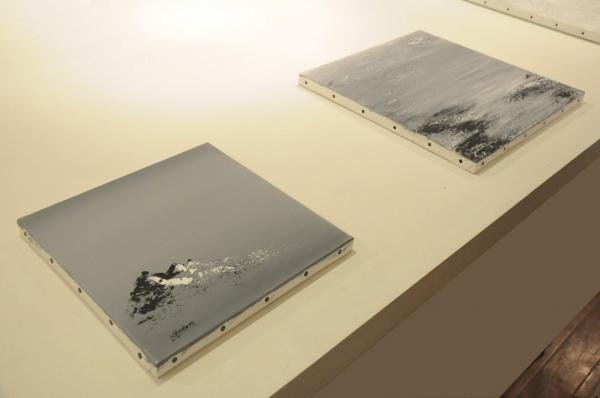
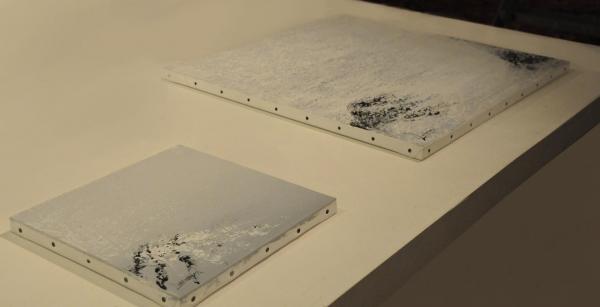
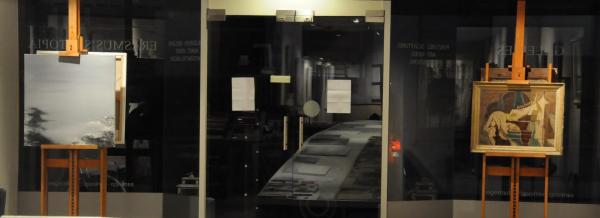
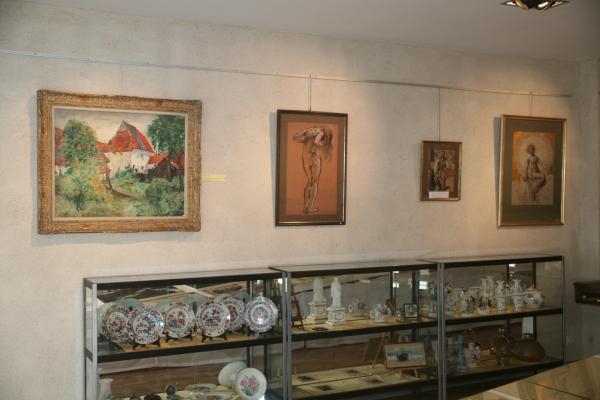
Verena von Lichtenberg (1972 - ...) and Jules Boulez (1889 - 1960)
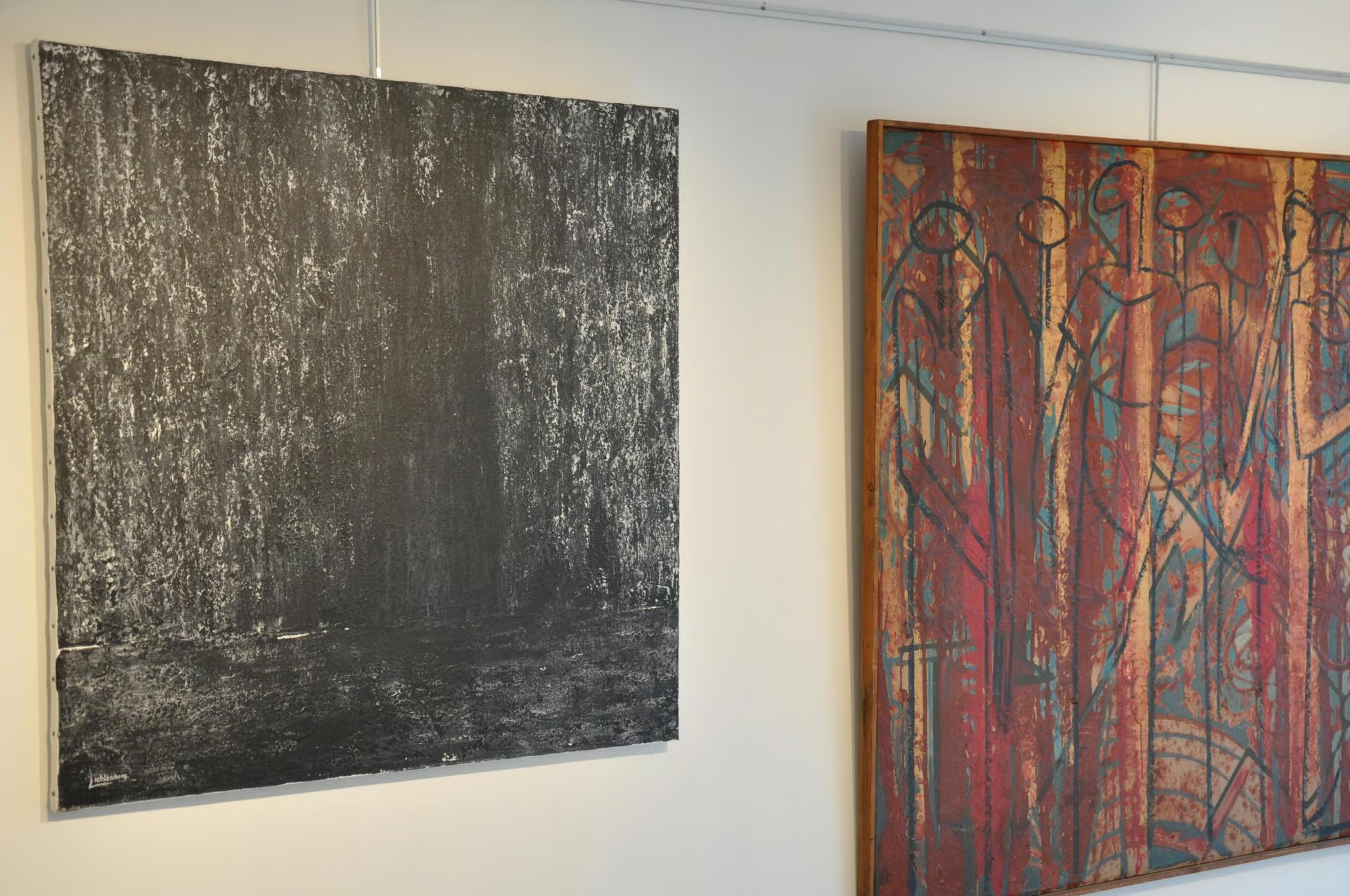
The painter Verena von Lichtenberg and Floris Jespers
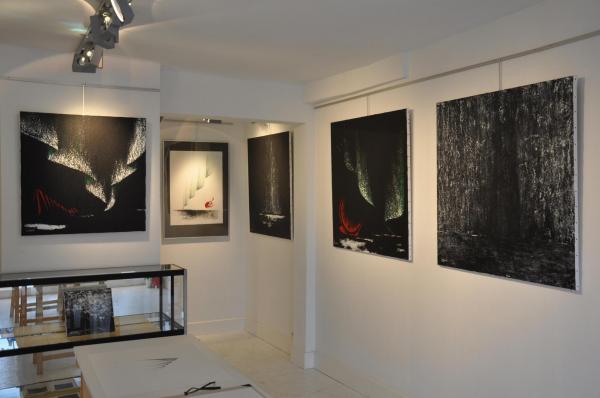
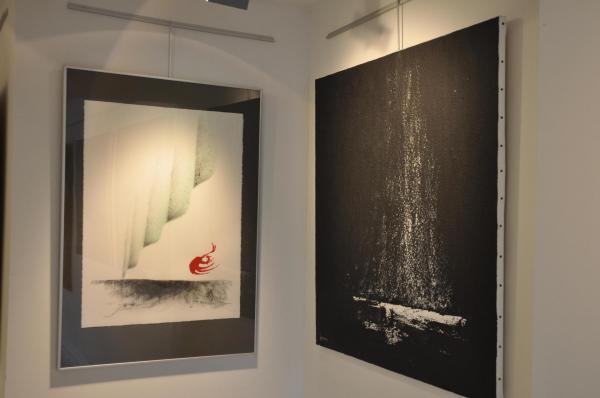
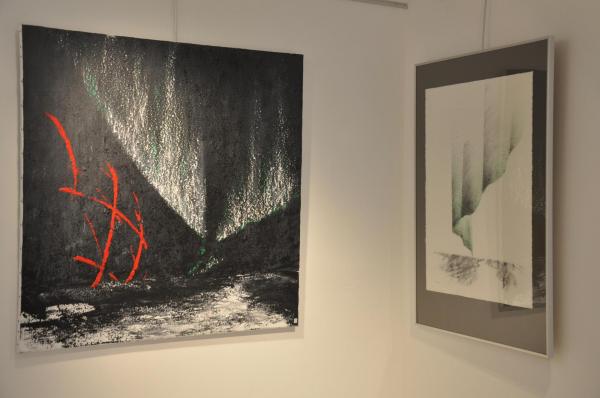
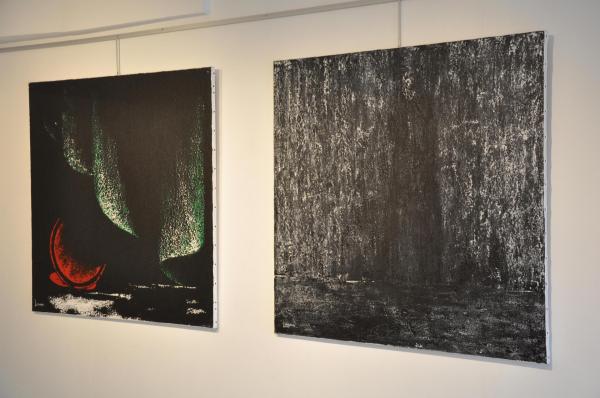
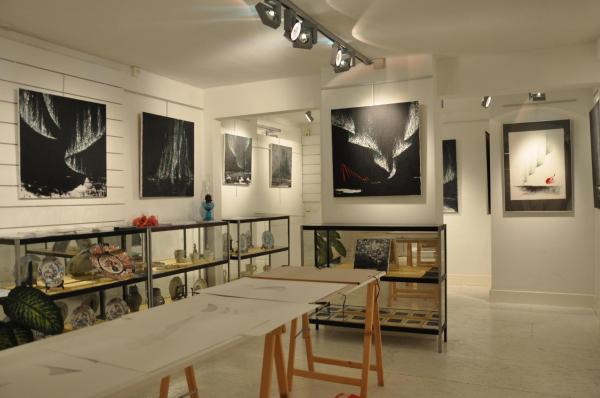
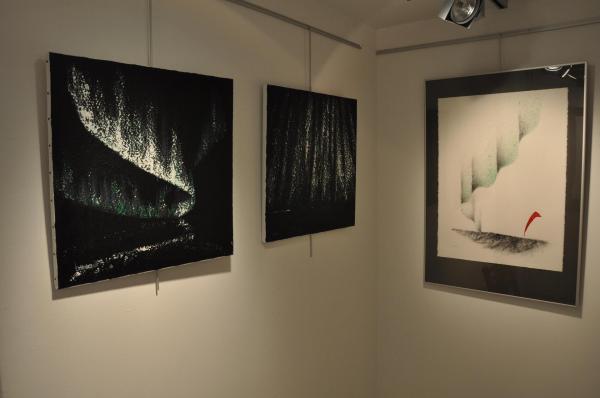
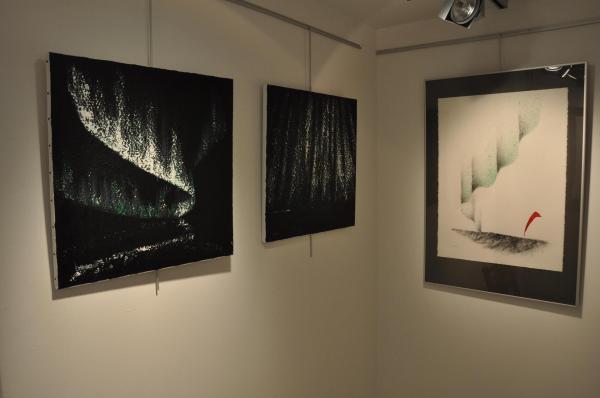
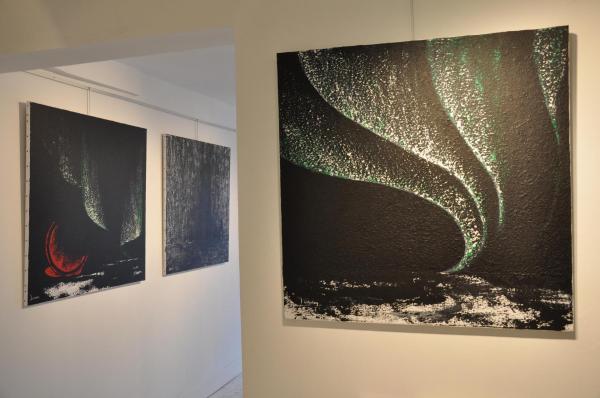
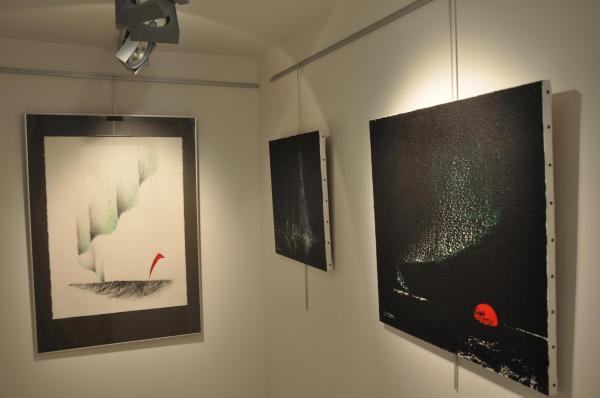
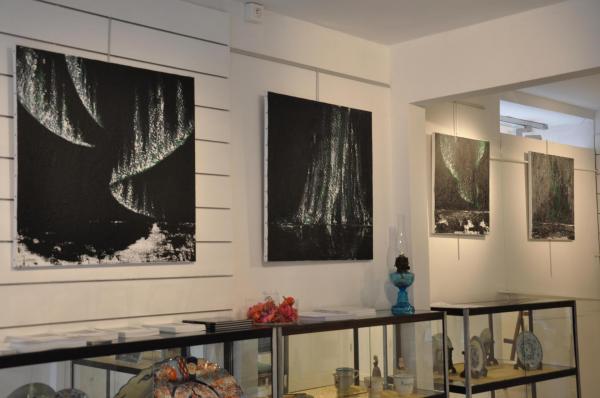
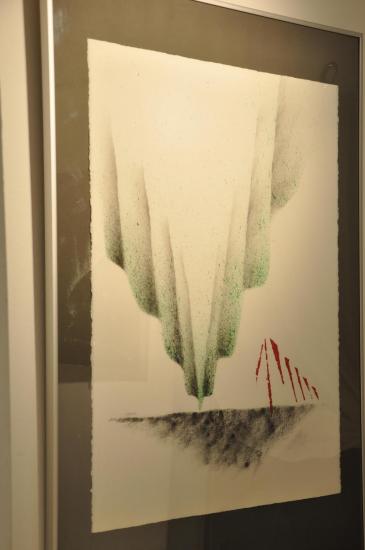
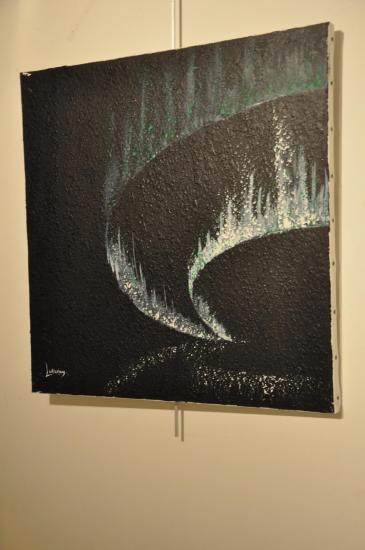
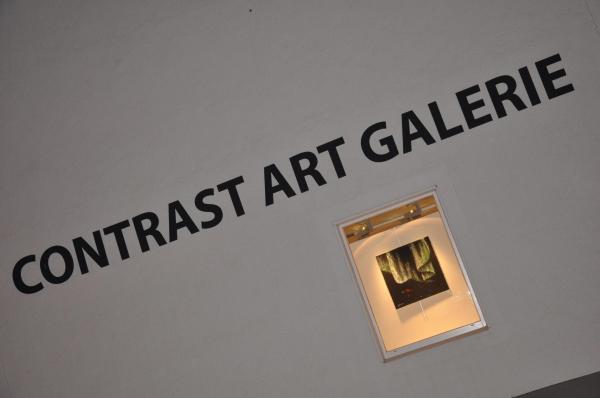
The exhibition ''Verena von Lichtenberg and Floris Jespers'' in Belgium
Floris Jespers was a student at the Academy of Antwerp and later at the Higher Institute of Fine Arts in Antwerp. He completed his training with Franz Courtens.
The painter Floris Jespers was both a marine painter and a landscape artist. He was influenced by Rik Wouters. His early landscapes, painted in 1917, were part of the Impressionist movement, but he later reacted against this style and joined the Antwerp avant-garde alongside Jozef Peeters, Paul Joostens, the poet Paul van Ostaijen, and his brother Oscar. Together, they founded the association “De bond zonder zegeld papier” (“The Union Without Stamped Paper”). After a brief Fauvist period, he experimented with Cubism, Constructivism, Expressionism, and figurative painting.
Three stays in Africa, in the Congo between 1951 and 1957, allowed him to renew his artistic themes. He produced synthetic compositions featuring long rows of African figures and created sculptures of Black figures using iron rods. He lived in the city of Kamina, where his son Mark worked as a doctor.
Later, Floris Jespers turned to reverse glass painting and mainly depicted clown figures until the end of his life.
He also contributed to publications such as Ça Ira, Le Centaure, and Sélection, and became friends with Jean Metzinger and Albert Gleizes when they published Du Cubisme in 1913
Erasmus's - Utopia Contrast Art Galerie
une confrontation entre
Maurice Langaskens et Verena von Lichtenberg
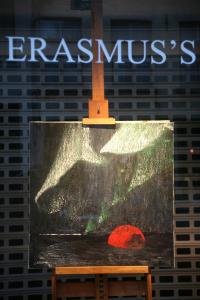
Verena von Lichtenberg
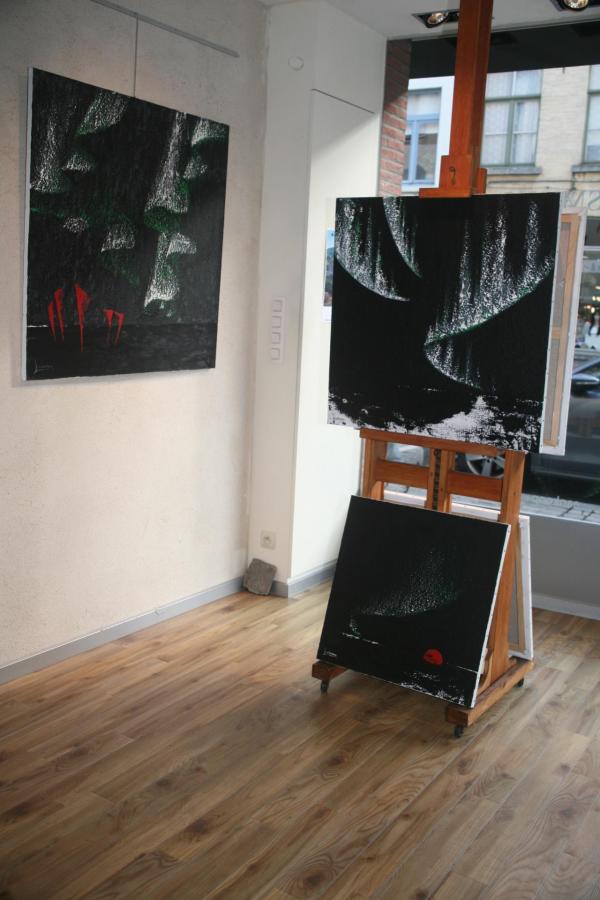
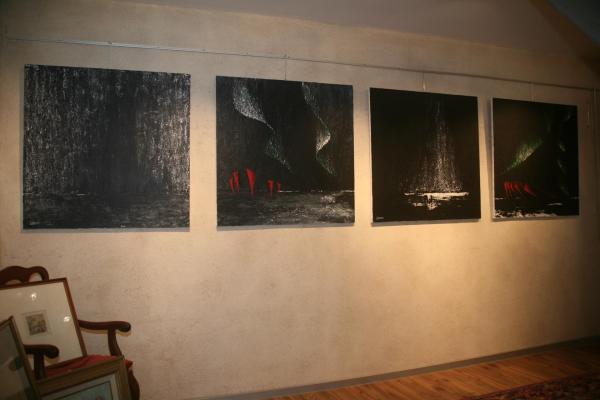
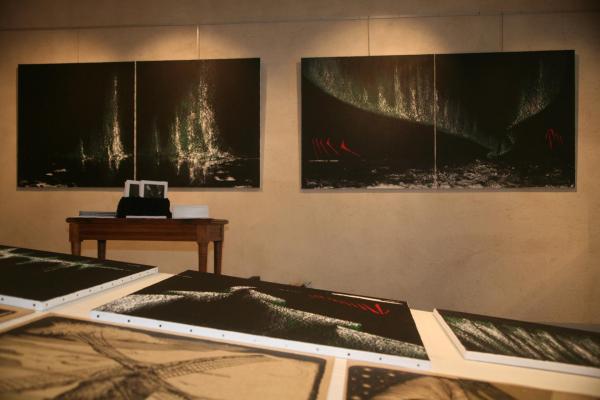
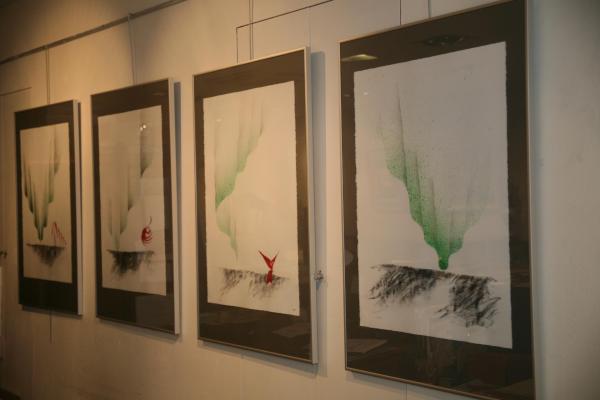
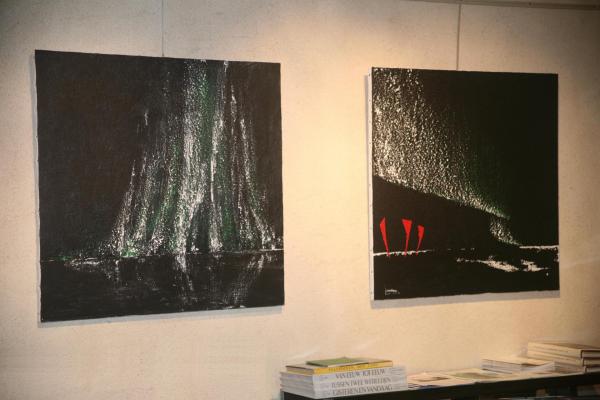
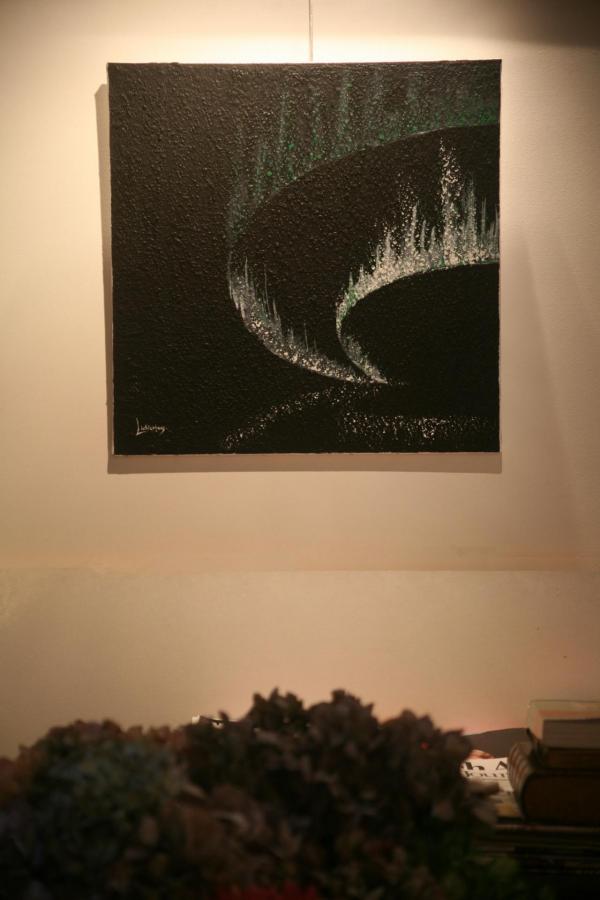
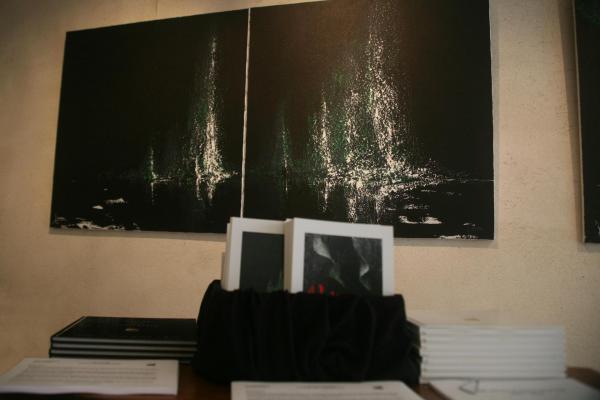
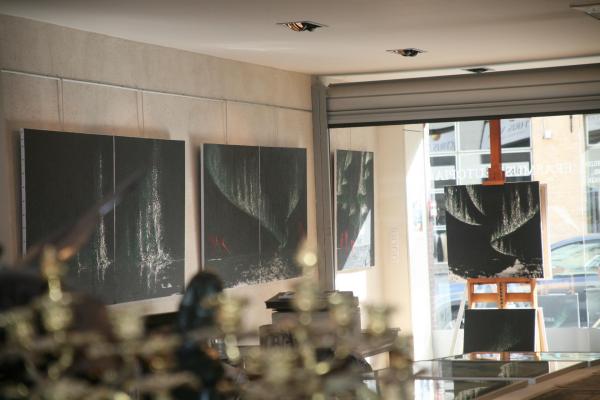
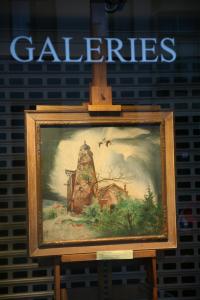
Maurice Langaskens

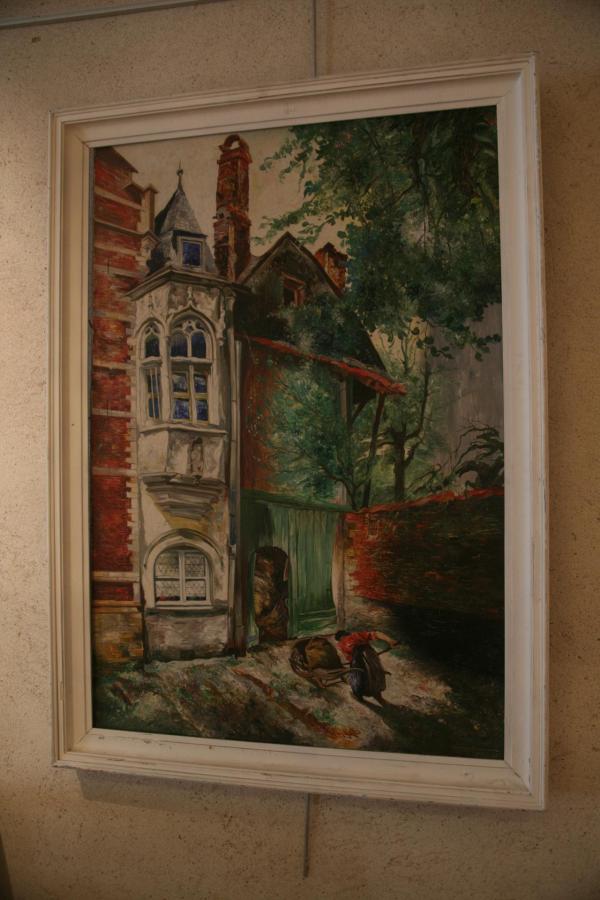
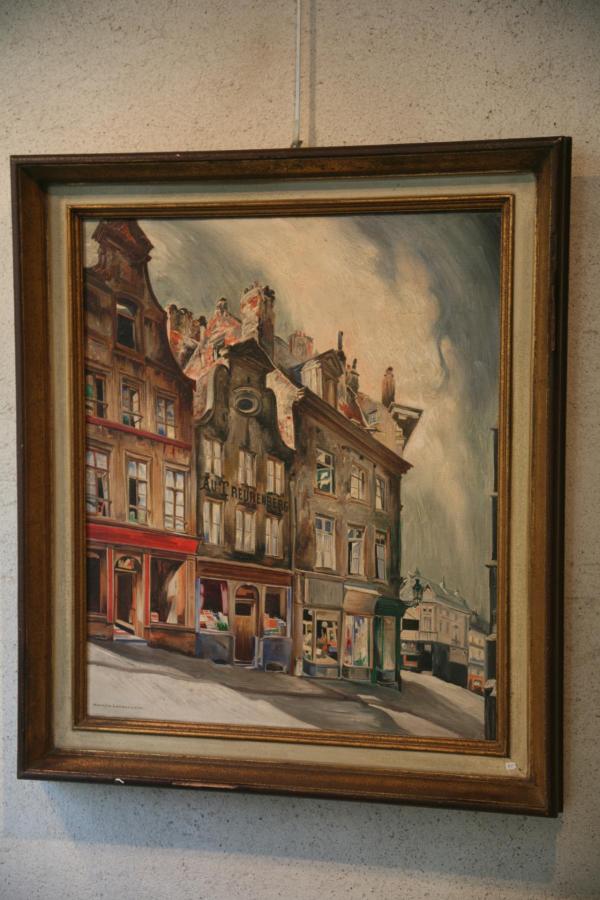
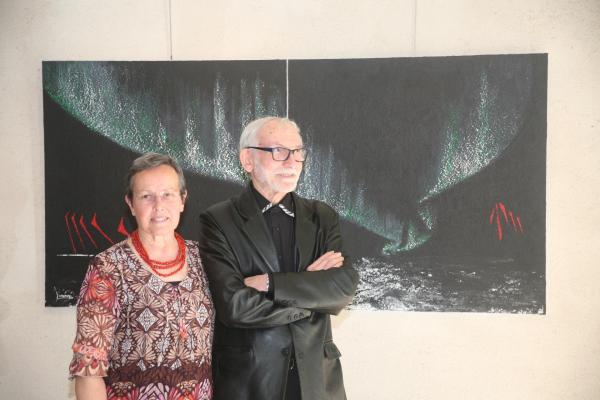
Suzanna Dusautoire et Bob Vanantwerpen
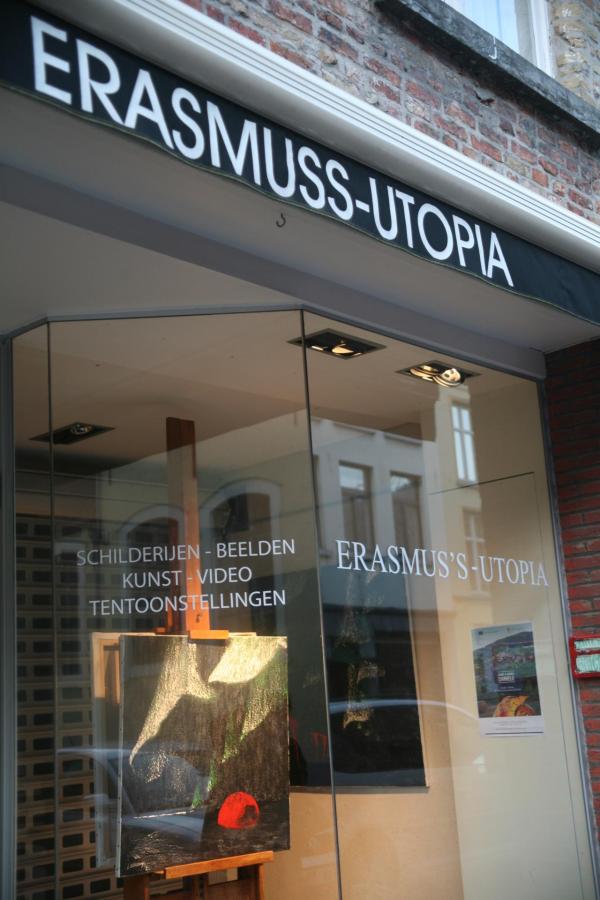
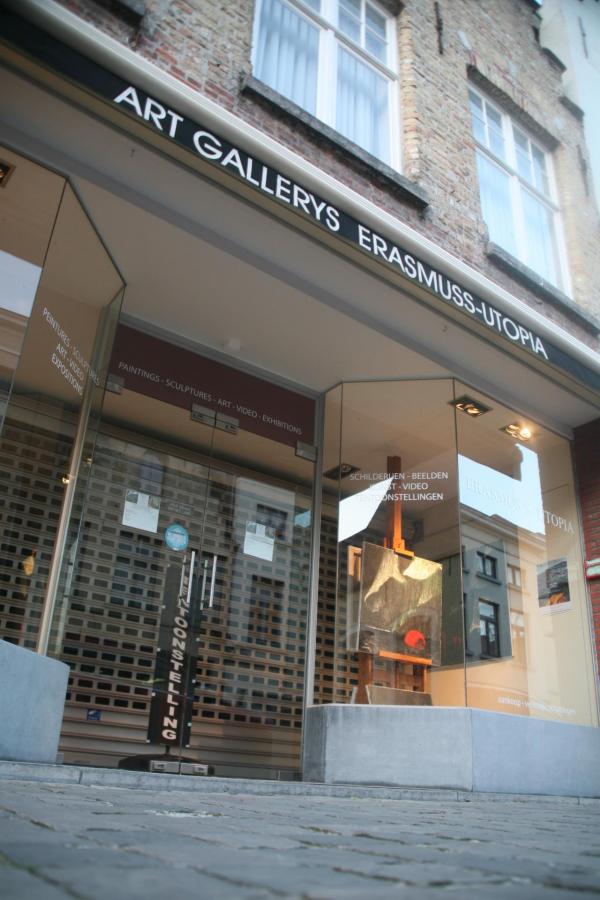

La UTOPIA CONTRAST ART GALERIE
dans la Belle Ville de Bruges
"Les oeuvres d'Art de la série Nord-Licht sont à Bruges"
Une Invitation de Suzanna DUSAUTOIR et Bob VANANTWERPEN
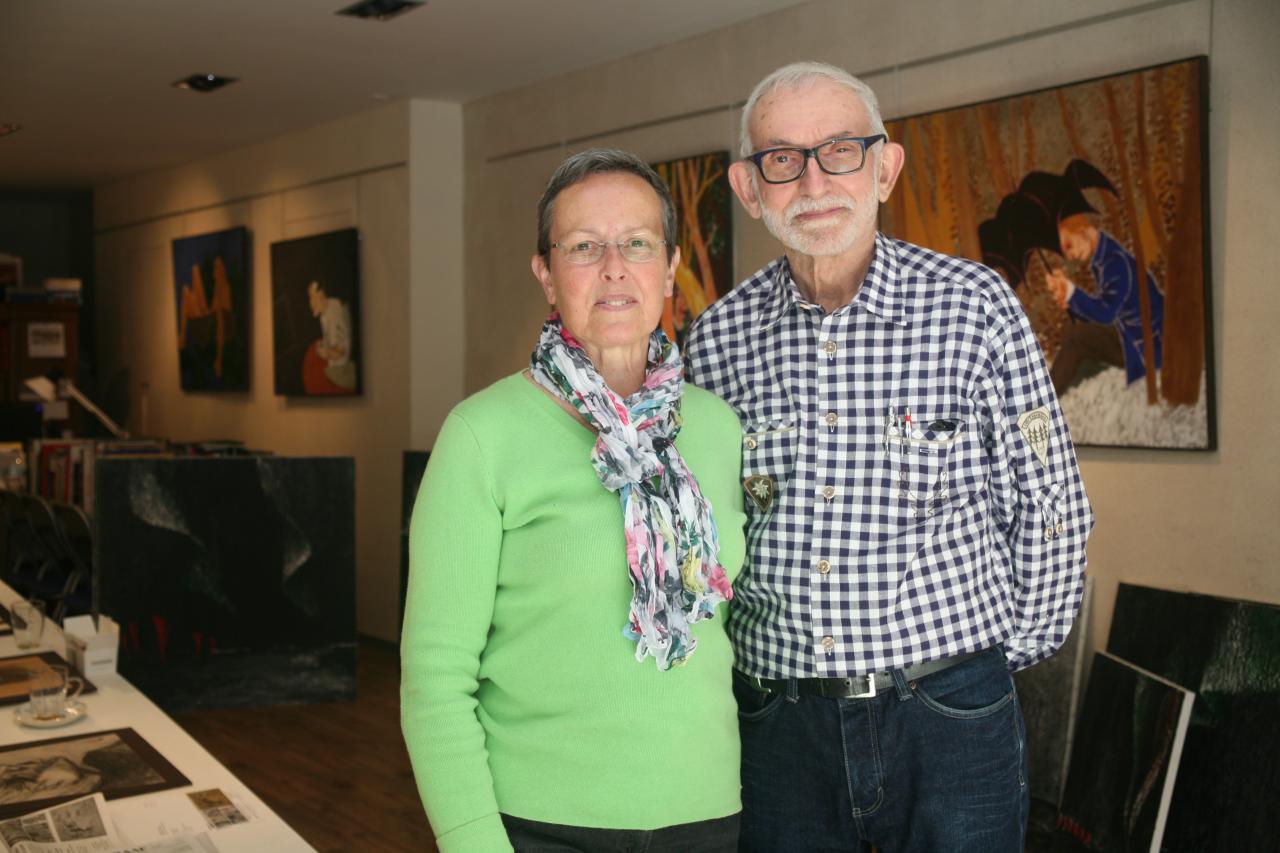
Une très belle histoire ... la Galerie de Bob VANANTWERPEN et de Suzanna DUSAUTOIR : www.erasut.be/utopia.htm
La UTOPIA CONTRAST ART GALERIE dans la Belle Ville de Bruges
Une Exposition avec Les Artistes
Robert KAYSER, Marie-Claire GOUAT, Verena von LICHTENBERG...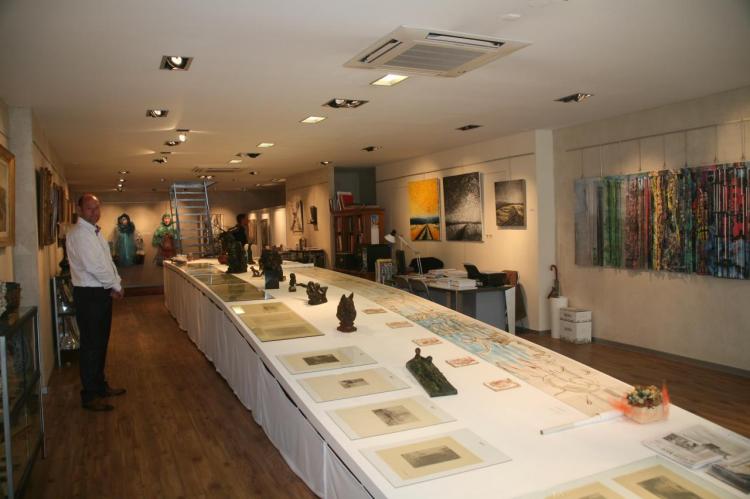
Une Invitation de Suzanna DUSAUTOIR et Bob VANANTWERPEN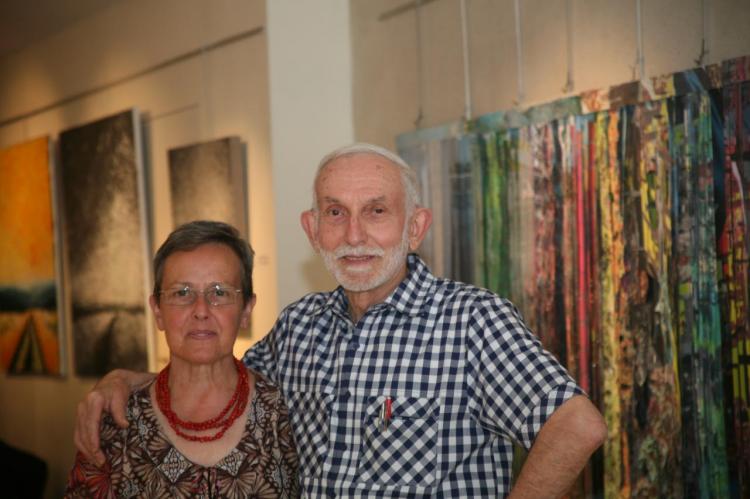
Une très belle histoire ... la Galerie de Bob VANANTWERPEN et de Suzanna DUSAUTOIR : www.erasut.be/utopia.htm
La Galerie d'Art
ERASMUS’S - UTOPIA
CONTRAST ART GALERIE
Suzanna DUSAUTOIR en Bob VANANTWERPEN
hebben het genoegen u uit te nodigen tot de tentoonstelling
ont le plaisir de vous inviter à l’ exposition
kindly invite you to the exhibition
laden Sie herzlich zur Ausstellung ein
Les Artistes:
JACQUES CHARLIER, ANNE § MARIO DANIELE, EVA DELVAUX, MARIE-CLAIRE GOUAT,
ROBERT KAYSER, TOMEK KAWIAK, KARHA NIZHARADZE,
JUAN PAPARELLA,
SIEGFRIED VAN MALDEREN, VERENA VON LICHTENBERG,
DIDIER VE
en confrontation avec
DE GRAFIEK VAN MAURICE LANGASKENS
Vernissage: 14.12.13 de 16 à 19h
Exposition: du 14.12.13 au 23.02.14
Ezelstraat 62
BE - 8000 Brugge (Belgium)
OPEN:
vrijdag, zaterdag en zondag: 15. u - 18 u.
of op afspraak
+32 498 75 43 37
+32 50 70 53 38info@erasut.bewww.erasut.be
Collaboration – Erasmus’s / Utopia Contrast Art Gallery (Bruges & Florenville)
The collaboration between Verena von Lichtenberg and the Erasmus’s – Utopia Contrast Art Gallery in Bruges and Florenville represents a unique chapter in the international dissemination of her work.
The gallery’s founder, Bob Vanantwerpen, and his wife Suzanna Dusautoire—passionate collectors and participants in fairs such as Art Basel—are deeply rooted in the history of Flemish painting and have, since their youth, built an important collection of both classical and contemporary works. They discovered the work of Verena von Lichtenberg in 2011. They were immediately struck by the pictorial strength, technical rigor, and luminous sensitivity of her artistic universe.
From this encounter onward, the artist has been regularly invited to present her various series both at the main gallery in Bruges and at the Florenville art gallery of the same name, Erasmus’s – Utopia. Each presentation forms part of a structured dialogue with the history of Flemish painting. These special exhibitions are built around a confrontation between two painters, particularly through juxtapositions of contemporary works with Old Masters.
This principle of dialogue—sometimes direct, sometimes reversed—creates a tension between pictorial worlds. The works of Verena von Lichtenberg are placed in confrontation with masters of the Flemish tradition, revealing both continuity and rupture between historical heritage and contemporary expression. Verena, sometimes intimidated by the recognition granted to her by the gallerist Bob, sees her work acknowledged not only for its expressive power but also for its highly distinctive technique, which he describes as unique, personal, and unprecedented, belonging exclusively to the artist Verena von Lichtenberg. He interprets her treatment of light in a highly personal way.
The artist’s work thus appears as a force of translation: a painting of light, matter, and perception, rooted in radical modernity while engaging in dialogue with the foundations of European painting.
The gallerist emphasizes the particular power of the works: a singular pictorial energy, technical mastery grounded in classical training and extended through the development of a personal technique based on extremely fine layering, as well as a rare ability to generate spaces of depth and luminous vibration.
These cross exhibitions quickly attract the attention of numerous collectors. Several of them discover Verena von Lichtenberg’s work in Bruges or Florenville and subsequently build collections dedicated to her art.
Certain works that cannot be strictly attributed to a series or that stand out strongly within a cycle become particularly sought-after pieces. Among them is a work from the American Dream series, 1 × 1 m in size, distinguished by its intense black-and-orange contrast, which became a favorite among collectors and is now part of a private collection, as well as a canvas from the Nord Licht series, 80 × 80 cm, of unusual intensity.
Within this dialogue between contemporary painting and Flemish heritage, connections are drawn with artists such as Maurice Langaskens, Jules Boulez, and Floris Jespers—particularly in their ability to convey strong emotional intensity, silent humanity, and a narrative construction of light. In Verena von Lichtenberg’s work, however, this intensity shifts toward an abstraction of sensation, where matter becomes vibration and mental space rather than figurative storytelling.
Thus, this collaboration stands as a fertile space of confrontation between European pictorial memory and contemporary exploration, revealing the uniqueness of an artistic language grounded in light, depth, and the transformation of perception.


